
When someone is loved by people in four different cities, “who keeps the ashes?” is a question with no good single answer. Increasingly, families answer it by not choosing: more than one in ten Americans now say they want their remains divided among family members, according to the National Funeral Directors Association. Here’s how it actually works.
Is it legal?
In the United States, yes. No federal law prohibits dividing cremated remains, and states treat them, once released to the family, as the family’s to keep, share, scatter, or transport (a few countries abroad differ, notably for transport, so international situations need a check). The practical authority here isn’t the law; it’s the family’s agreement, which is worth securing before anything is divided.
Who does the dividing?
You have three options:
The crematory or funeral home divides at the time of cremation. The cleanest path. You tell them how many portions and in what proportions, provide the containers or use theirs, and receive the remains already divided. If a death is recent, ask for this; it’s routine.
A funeral home divides later. Already have the ashes in one container? Any funeral home can divide them into vessels you provide. Under the FTC Funeral Rule they cannot refuse or charge a fee for placing remains in an urn you bought elsewhere; a modest service charge for the dividing itself is possible and reasonable.
The family divides. Entirely doable at home. In fact, this is what we did with my dad’s ashes when it came time to divide them. The remains stay in their liner bag until you’re ready; work slowly and it is a manageable, sometimes unexpectedly meaningful task. If the idea makes your stomach drop, use option 2 instead. No points are awarded for doing this yourself.
The conversation before the division
Three questions settle almost everything:
Who wants a share, actually, when asked directly rather than assumed?
Does anyone want a visitable place (a niche or burial) rather than a keepable vessel?
And is anyone opposed to dividing at all?
Ask now. Division done with consensus is a gift; done by surprise, it can become the grievance or rift that could have been avoided with a conversation.
Where the ashes will live
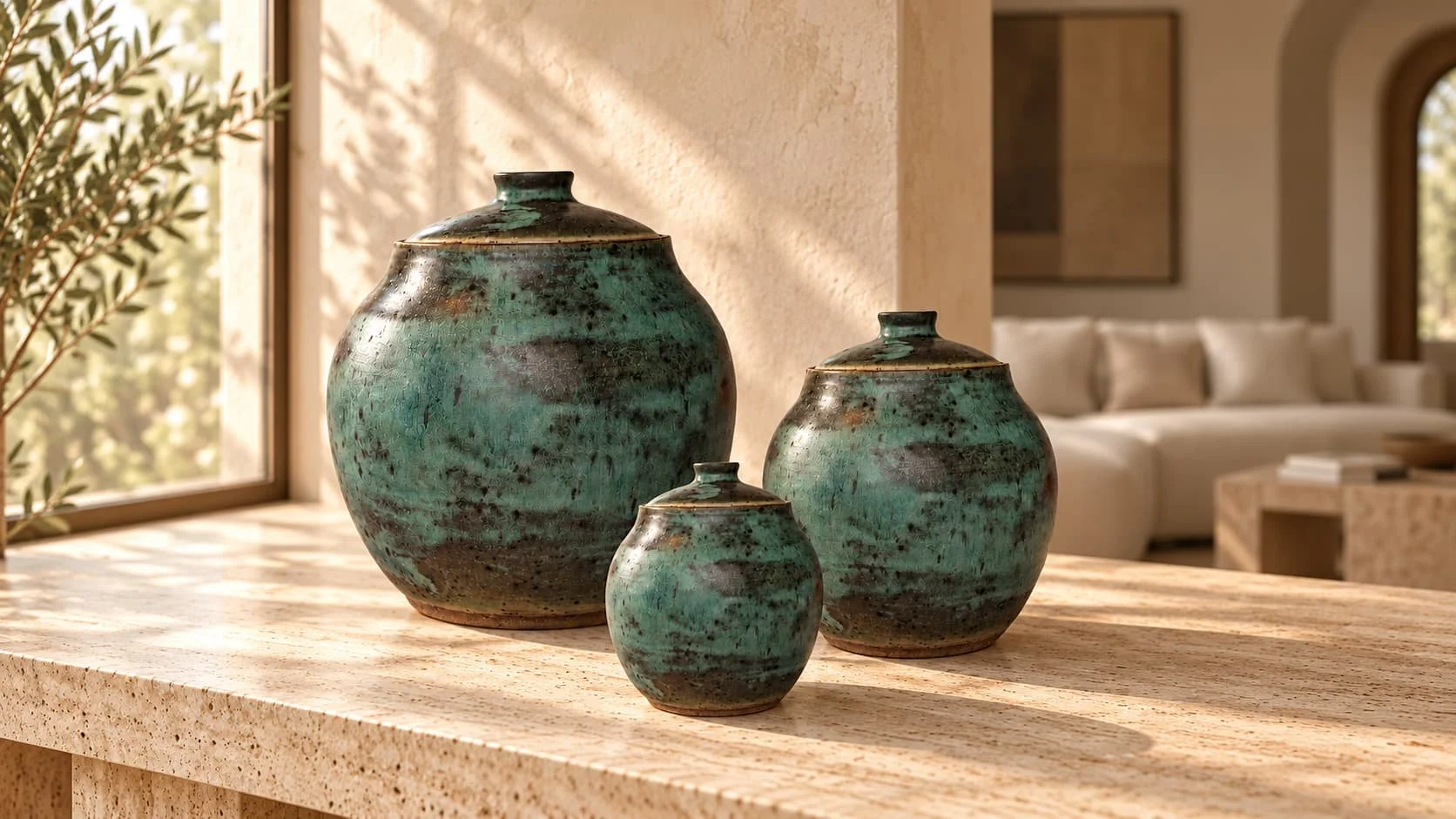
What the industry mostly offers is one large urn plus miniature “keepsake” containers that read as afterthoughts, and my objection to that arrangement is the reason urn sets are something I offer. These are individually designed vessels, potentially related but distinct. Each is a complete piece, not a token. If your family is dividing the ashes, urn sets are the option I’d want you to know exists.
